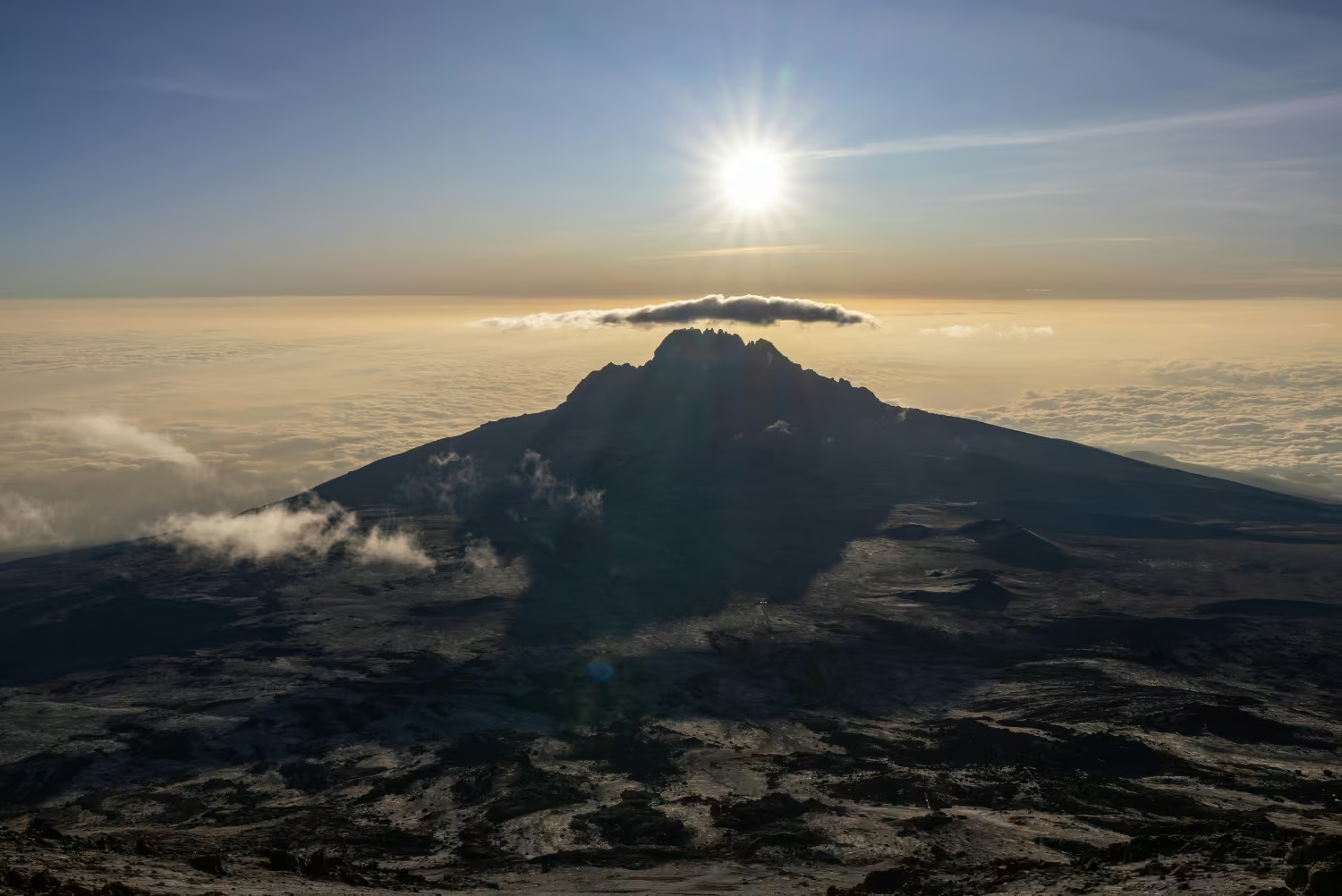
Tanzania, located in East Africa, is a country of stunning landscapes, ranging from the snow-capped peaks of Mount Kilimanjaro to the endless plains of the Serengeti and the turquoise beaches of Zanzibar and Pemba. Understanding the weather patterns in Tanzania is essential for planning an unforgettable safari, beach holiday, or cultural tour. Way 2 Africa Expeditions provides this comprehensive guide to help travelers choose the best time to visit and make the most of their Tanzanian adventure.
Tanzania’s Climate Overview
Tanzania has a tropical climate, which is influenced by altitude, proximity to the Indian Ocean, and prevailing winds. The weather varies significantly between the coastal regions, highlands, and inland savannahs:
- Coastal areas (Zanzibar, Dar es Salaam, Pemba, Mafia): Warm and humid, with temperatures ranging from 25°C to 32°C throughout the year.
- Inland and savannah regions (Serengeti, Tarangire, Ruaha, Ngorongoro): Hot and dry in the lowlands, cooler in higher altitudes. Temperatures can range from 20°C to 30°C, with cooler nights in elevated areas.
- Highland regions (Arusha, Kilimanjaro, Usambara Mountains, Udzungwa): Moderate to cool temperatures, with nights often dropping below 15°C.
Tanzania experiences two distinct rainy seasons and a dry season, which affect wildlife visibility, road accessibility, and travel logistics.
Rainy Seasons in Tanzania
- Long Rains (Masika)
- Occur from March to May.
- Characterized by heavy and persistent rainfall, particularly in northern Tanzania and coastal areas.
- The landscape becomes lush and green, rivers swell, and waterfalls are at their most spectacular.
- Safari travel may be challenging in some remote parks due to muddy or flooded roads, though northern parks remain accessible with 4×4 vehicles.
- Short Rains (Vuli)
- Occur from November to December.
- Rainfall is shorter and less intense than the long rains, often occurring in afternoon showers.
- Ideal for travelers seeking fewer crowds, vibrant greenery, and opportunities for birdwatching.
Dry Season
- The dry season spans from June to October, making it the most popular time for safaris.
- Wildlife congregates around rivers and waterholes, offering excellent game-viewing opportunities in parks like Serengeti, Tarangire, and Ruaha.
- Coastal regions during the dry season are sunny and perfect for beach holidays, snorkeling, and diving.
- Temperatures remain moderate, though highlands can get chilly at night, especially in July and August.
Regional Weather Patterns
- Northern Circuit (Arusha, Serengeti, Ngorongoro, Tarangire): Best visited during the dry season (June–October) for safari activities. Short rains in November–December add greenery but may slightly reduce wildlife visibility.
- Southern Circuit (Selous/Nyerere, Ruaha, Mikumi): Dry season (June–October) is ideal for safaris, while wet season transforms the parks into lush landscapes with fewer tourists.
- Coastal Islands (Zanzibar, Pemba, Mafia): Warm and humid year-round; best beach conditions occur in the dry season. The long rains from March–May bring short-lived but heavy rainfall.
- Highlands (Udzungwa, Kilimanjaro region): Cooler temperatures year-round; dry season offers clear skies for hiking and trekking, while rainy seasons create lush scenery but slippery trails.
How Weather Affects Safari Experiences
- Wildlife viewing: Dry season concentrates animals near water sources, making predators and herbivores easier to spot. Wet season offers dramatic landscapes but requires patience to locate wildlife.
- Photography: Dry season provides clear skies and golden light, while wet season creates vibrant greenery and flowing rivers, ideal for scenic photography.
- Trekking and hiking: Dry season ensures safer trails and better visibility for exploring mountains and waterfalls. Wet season adds a sense of adventure with lush surroundings but can be slippery.
Tips for Traveling in Tanzania
- Pack for variable climates: Light, breathable clothing for lowlands, warm layers for highlands and early mornings, and waterproof gear during rainy seasons.
- Plan according to activities: Safaris are best during dry months, while waterfalls and greenery are at their peak during rains.
- Stay hydrated: Hot and humid conditions in lowlands and coastal areas require plenty of water.
- Sun protection: Bring sunscreen, hats, and sunglasses, as UV exposure is strong, especially in open savannahs and highlands.
Why Travel with Way 2 Africa Expeditions
At Way 2 Africa Expeditions, we tailor travel experiences based on seasonal weather patterns to maximize your enjoyment. Our expert guides:
- Advise the best time to visit each park and island
- Organize safari routes and excursions for optimal wildlife sightings
- Ensure safe travel in all weather conditions
- Provide advice on packing and preparation for diverse climates
With our expertise, travelers can explore Tanzania safely and comfortably while taking advantage of the unique conditions each season offers.
Tanzania’s climate offers something for every traveler, from sun-drenched beaches and lush green landscapes to golden savannahs and cool highlands. By understanding the seasonal weather patterns, visitors can plan their safaris, beach holidays, and trekking adventures to coincide with the best conditions. With Way 2 Africa Expeditions, travelers receive expert guidance on when and where to visit, ensuring an unforgettable Tanzanian experience no matter the season.