Tel: +255 784 241 648

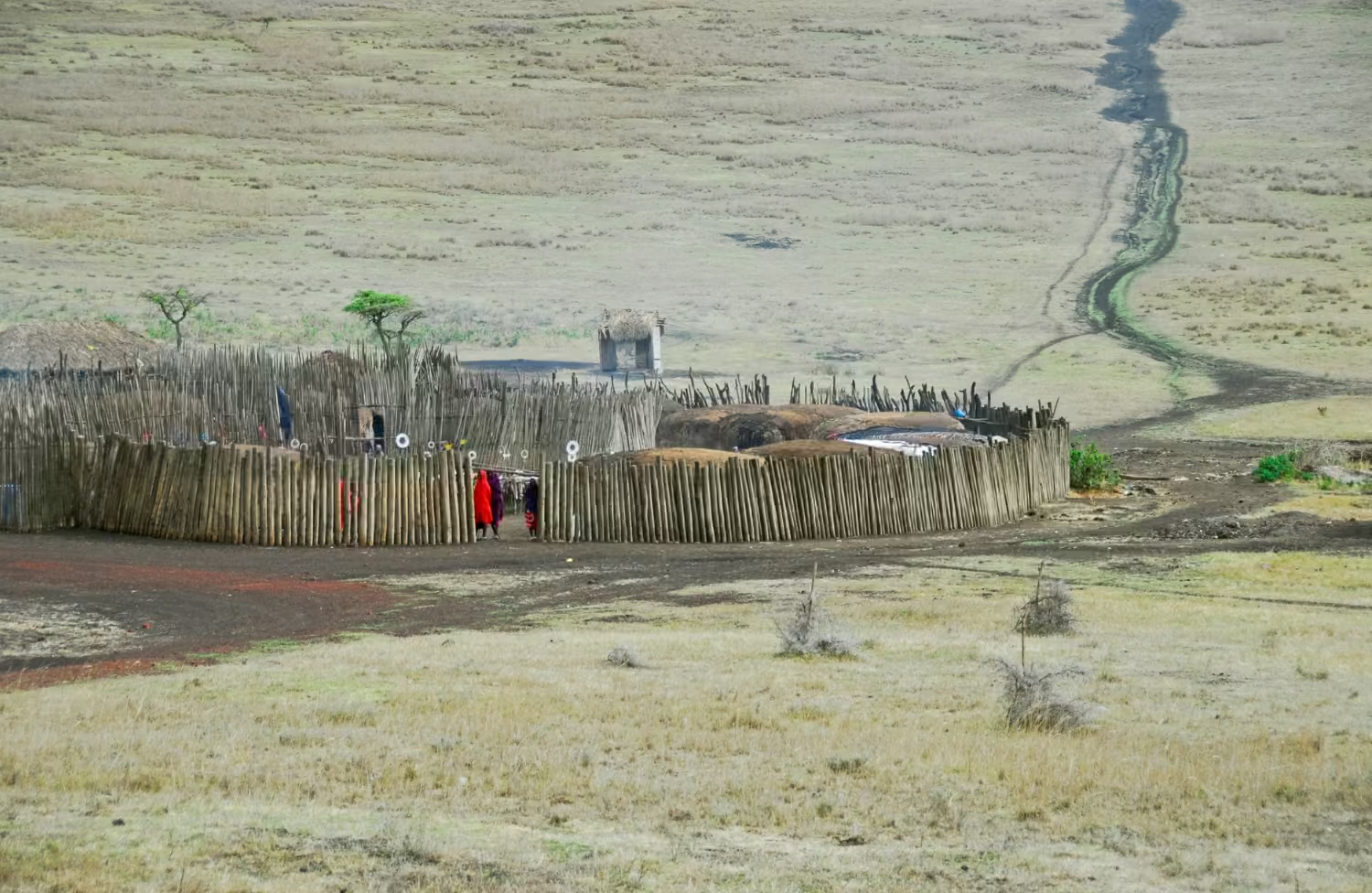
Tanzania is home to some of Africa’s most iconic cultures, and among them, the Maasai people stand out for their vibrant traditions, striking attire, and deep connection to the land. Visiting a Maasai Village, also known as a Boma, offers travelers a unique opportunity to explore a lifestyle that has been preserved for centuries. At Way 2 Africa Expeditions, we provide immersive, educational, and respectful visits to Maasai communities, allowing tourists to learn about their customs, traditions, and daily life while supporting cultural preservation.
Who Are the Maasai?
The Maasai are a semi-nomadic ethnic group primarily found in northern Tanzania and southern Kenya, particularly in areas surrounding Arusha, Serengeti, and Ngorongoro. They are renowned for their distinctive red garments, intricate beadwork, and traditional ceremonies. Maasai communities are deeply rooted in livestock herding, with cattle being central to their economy, social structure, and cultural identity. Visiting a Maasai village allows travelers to witness how the Maasai have maintained their traditions while adapting to modern influences in contemporary Tanzania.
Exploring a Maasai Boma
A Maasai Boma is a traditional homestead, typically circular and constructed using natural materials such as mud, sticks, and cow dung. Each Boma houses several family members and livestock in a structure designed to protect against predators. Visitors can explore the layout of the Boma, learn about the construction techniques passed down through generations, and understand how the Maasai organize their communities. The visit provides insights into their social organization, family life, and resource management, making it both educational and fascinating.
Cultural Activities and Experiences
Visiting a Maasai village with Way 2 Africa Expeditions is a fully immersive experience that goes beyond observation. Key activities include:
Educational Insights
A visit to a Maasai village is not just entertainment—it’s a learning opportunity. Guests gain insights into:
Tips for Visiting Maasai Villages
To make the most of your Maasai village experience, keep the following in mind:
Why Choose Way 2 Africa Expeditions?
At Way 2 Africa Expeditions, we specialize in responsible and immersive cultural tourism. Our experienced guides facilitate interactions that are both educational and respectful, ensuring visitors understand Maasai traditions without disrupting their daily life. We handle all logistics, including transport, village introductions, and guided tours, allowing guests to enjoy a seamless and enriching cultural experience.
Visiting a Maasai Village or Boma is more than a tourist activity—it is a journey into one of Africa’s most enduring cultures. From exploring traditional homesteads to learning about beadwork, rituals, and pastoral life, the experience is both educational and inspiring. By choosing Way 2 Africa Expeditions, travelers enjoy an authentic, respectful, and immersive encounter with the Maasai people, gaining a deeper appreciation for their traditions, values, and connection to the land. Explore the vibrant world of the Maasai and create memories that will last a lifetime.


Tel: +255 784 241 648 | info@way2africaexpeditions.com