Tel: +255 784 241 648

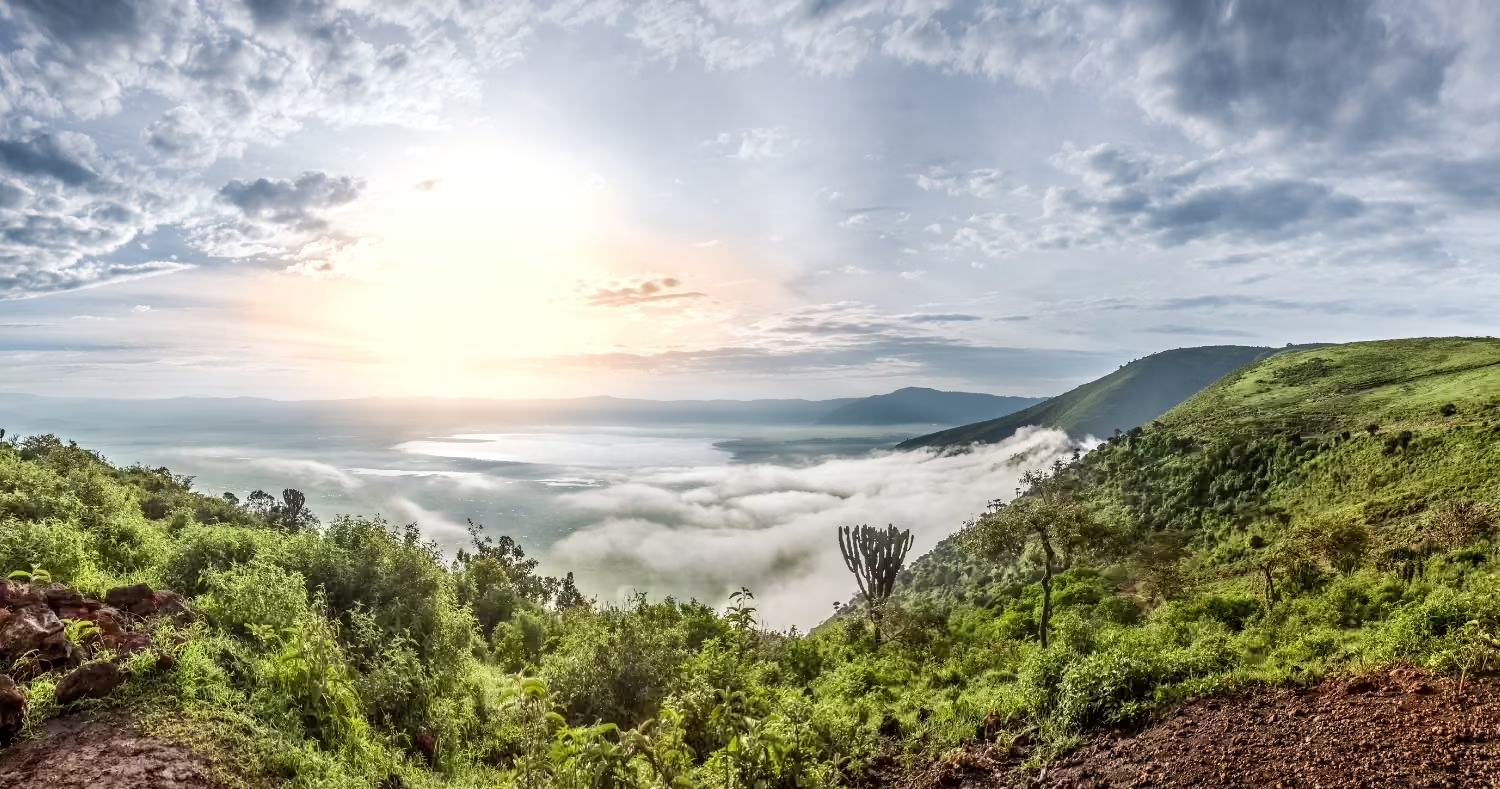
Located in northern Tanzania, the Ngorongoro Conservation Area (NCA) is one of Africa’s most iconic and diverse wildlife destinations. Famous for its world-renowned Ngorongoro Crater, the area combines extraordinary biodiversity, stunning landscapes, and rich cultural heritage, making it a must-visit destination for travelers. As one of the premier tourist attractions offered by Way 2 Africa Expeditions, the Ngorongoro Conservation Area delivers an unparalleled safari experience that blends wildlife, geology, and human history.
Location and Geological Significance
The Ngorongoro Conservation Area lies within the northern Tanzanian safari circuit, bordered by Serengeti National Park to the north and the Ngorongoro Highlands to the south. The centerpiece of the area is the Ngorongoro Crater, the world’s largest intact volcanic caldera, measuring approximately 20 kilometers in diameter and covering over 260 square kilometers. Formed around two to three million years ago following the collapse of a massive volcano, the crater provides a natural amphitheater that supports an extraordinary concentration of wildlife.
A UNESCO World Heritage Site
Recognized as a UNESCO World Heritage Site, the Ngorongoro Conservation Area is managed not only as a wildlife sanctuary but also as a multi-use landscape. It balances conservation, tourism, and the traditional lifestyle of the Maasai people, who have grazed their livestock in the highlands for centuries. This dual-purpose model makes Ngorongoro unique, combining ecological preservation with cultural heritage.
Wildlife Abundance
Ngorongoro Crater is renowned for its dense populations of African wildlife. The crater floor supports approximately 25,000 large animals, including:
The crater’s closed ecosystem allows visitors to observe predators and prey interacting naturally, often within view of breathtaking panoramic scenery.
Outside the crater, the highlands support open grasslands, forests, and volcanic hills, providing habitats for giraffes, elands, baboons, and a rich diversity of birdlife.
Cultural Encounters with the Maasai
The Ngorongoro Conservation Area is also home to the Maasai people, semi-nomadic pastoralists whose lives have been intertwined with the region for generations. Visitors can learn about Maasai traditions, dress, beadwork, cattle-herding practices, and community life, offering a deeper understanding of how humans and wildlife coexist in this remarkable landscape. Way 2 Africa Expeditions ensures these cultural encounters are respectful, educational, and mutually beneficial.
Scenic Landscapes and Photography Opportunities
From the crater rim to the floor, the NCA offers stunning photography opportunities. Rolling highland plains, escarpments, volcanic cones, and seasonal lakes provide a dramatic backdrop for wildlife sightings and landscape photography. Sunrise over the crater rim or sunset over the highlands is particularly spectacular, offering unforgettable moments for travelers and nature enthusiasts.
Activities in Ngorongoro Conservation Area
With Way 2 Africa Expeditions, visitors can enjoy a range of activities within the NCA, including:
Conservation Importance
The NCA is a model of integrated conservation, protecting endangered species such as black rhinos while sustaining pastoralist livelihoods. Tourism in the area directly supports conservation projects, park management, and community development programs. Way 2 Africa Expeditions emphasizes responsible tourism practices, ensuring that every visit contributes to long-term sustainability and environmental protection.
Best Time to Visit Ngorongoro
Ngorongoro can be visited year-round. The dry season (June to October) is ideal for wildlife spotting as animals gather near water sources, while the wet season (November to May) offers lush landscapes, vibrant birdlife, and fewer tourists, creating a more tranquil experience.
Why Visit Ngorongoro Conservation Area with Way 2 Africa Expeditions?
At Way 2 Africa Expeditions, we provide expertly guided tours that balance adventure, education, and cultural understanding. From arranging permits and logistics to providing experienced guides and comfortable transport, we ensure every traveler enjoys a seamless, memorable safari. Our team shares insights into wildlife ecology, geology, and Maasai culture, transforming every visit into a deeply enriching experience.
The Ngorongoro Conservation Area is one of Tanzania’s most iconic and multifaceted destinations, offering unparalleled wildlife density, dramatic landscapes, and a rich tapestry of human culture. From the crater floor teeming with lions, elephants, and flamingos to the Maasai-inhabited highlands, every moment is an opportunity for discovery. With Way 2 Africa Expeditions, travelers gain access to an educational, inspiring, and unforgettable journey into one of Africa’s most treasured natural and cultural landscapes.


Tel: +255 784 241 648 | info@way2africaexpeditions.com