Tel: +255 784 241 648

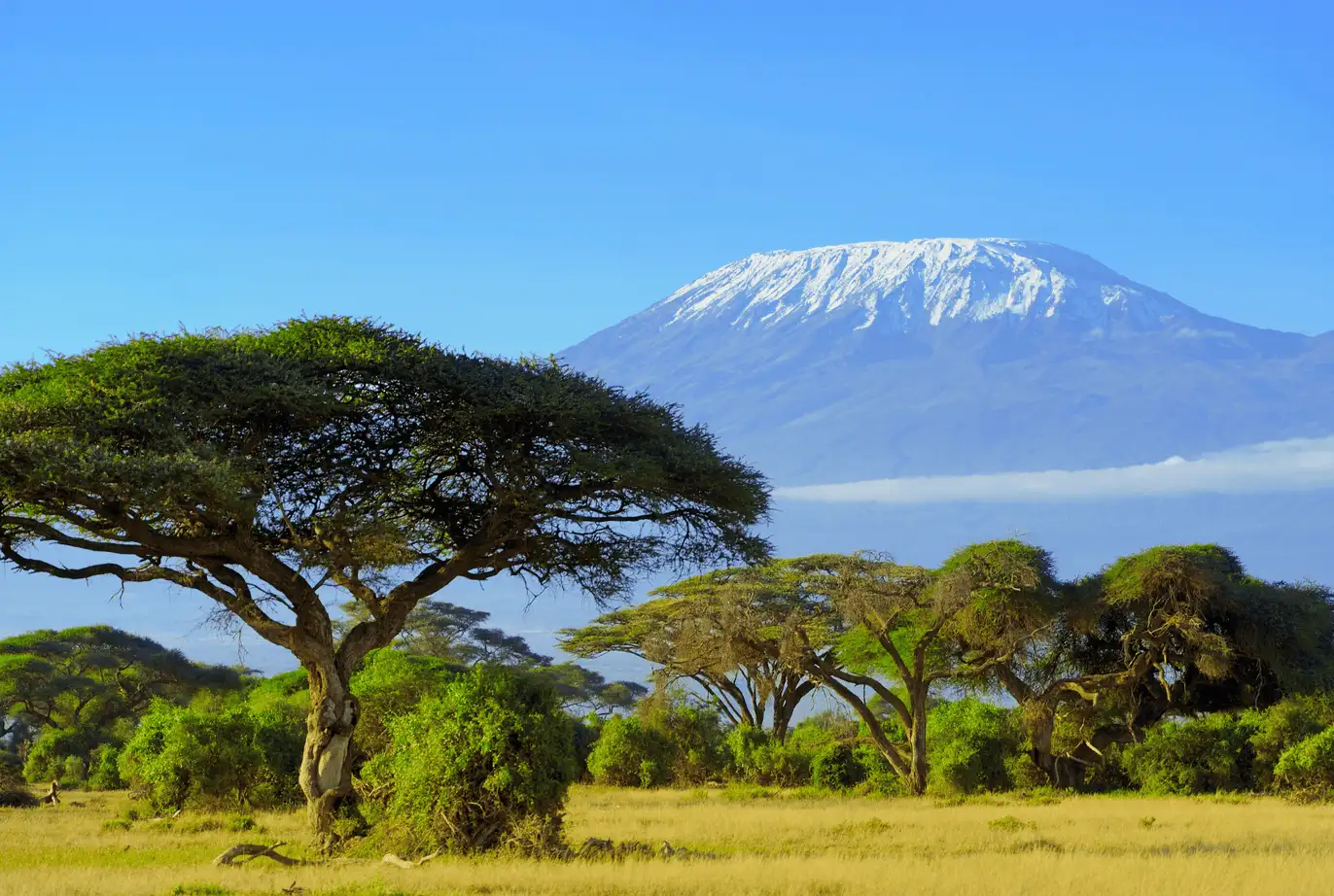
Rising majestically above northern Tanzania, Mount Kilimanjaro National Park is home to Africa’s highest peak, Mount Kilimanjaro, standing at 5,895 meters above sea level. This iconic destination is not only a world-renowned climbing adventure but also a protected area of immense ecological, cultural, and scenic significance. As one of the premier tourist attractions offered by Way 2 Africa Expeditions, a visit to Kilimanjaro National Park offers travelers a unique combination of adventure, education, and awe-inspiring natural beauty.
Location and Geographic Significance
Mount Kilimanjaro National Park is located in northern Tanzania, near the town of Moshi, at the edge of the Great Rift Valley. The park encompasses the entire Kilimanjaro massif, including three volcanic cones: Kibo, Mawenzi, and Shira. Kibo, the highest peak, is capped with glaciers and snowfields, creating a striking contrast against the tropical savannah below. This unique geography makes Kilimanjaro an ecological treasure, where climate and altitude produce a dramatic range of ecosystems.
Diverse Ecosystems and Natural Zones
One of Kilimanjaro National Park’s most remarkable features is its ecological diversity. Climbers and visitors pass through five distinct vegetation zones during their ascent:
These ecological zones provide unique educational opportunities, from botany and ecology to climate science and geology.
Mount Kilimanjaro Climbing and Trekking
Mount Kilimanjaro is renowned for being a non-technical climb, meaning that no specialized mountaineering skills are required. Multiple trekking routes, such as Machame, Marangu, Lemosho, and Rongai, offer varying levels of difficulty, scenery, and duration. Climbing Kilimanjaro is both a physical challenge and a journey through breathtaking landscapes, offering panoramic views of Tanzania and neighboring Kenya.
Way 2 Africa Expeditions provides fully guided treks with experienced guides, porters, and support staff, ensuring safety, comfort, and an enriching adventure. Our teams also provide education on the park’s ecology, geology, and the cultural significance of Kilimanjaro to local Chagga communities.
Wildlife and Flora
Though the summit is barren, the lower and mid-altitude zones of Kilimanjaro support remarkable biodiversity. The montane forests are home to primates, duikers, bushbucks, and hundreds of bird species, including sunbirds, turacos, and hornbills. The park also harbors endemic plant species adapted to high altitudes, offering opportunities for ecological and botanical learning during guided hikes.
Cultural Significance
Mount Kilimanjaro is deeply revered by the Chagga people, who have lived on its slopes for centuries. The mountain plays a role in local traditions, folklore, and agriculture. Visitors guided by Way 2 Africa Expeditions can learn about traditional irrigation methods, cultural practices, and the spiritual importance of the mountain, connecting adventure with meaningful cultural insights.
Conservation and Park Management
Mount Kilimanjaro National Park is a UNESCO World Heritage Site and a vital conservation area. The park protects fragile high-altitude ecosystems, water catchments, and endemic species. Way 2 Africa Expeditions emphasizes responsible tourism, including minimizing environmental impact, respecting wildlife, and supporting local conservation initiatives.
Best Time to Visit
The best time to climb or visit Kilimanjaro is during the dry seasons: January to mid-March and June to October. These months offer clearer skies, better trekking conditions, and higher chances of reaching the summit. The wet seasons, while lush and beautiful, can make trails slippery and more challenging.
Why Explore Mount Kilimanjaro National Park with Way 2 Africa Expeditions?
At Way 2 Africa Expeditions, we specialize in tailor-made Kilimanjaro experiences that combine adventure, education, and safety. Our experienced guides provide ecological interpretation, cultural context, and logistical support, ensuring climbers and visitors fully enjoy the park’s natural beauty and significance. From arranging permits to providing knowledgeable support teams, we handle every detail for a seamless journey.
Mount Kilimanjaro National Park is more than a trekking destination; it is a symbol of Tanzania’s natural beauty, cultural richness, and ecological diversity. From lush montane forests to icy summit peaks, the park offers an extraordinary journey through multiple ecosystems and breathtaking landscapes. By choosing Way 2 Africa Expeditions, travelers gain access to a professionally guided, educational, and unforgettable experience on Africa’s highest mountain.


Tel: +255 784 241 648 | info@way2africaexpeditions.com