Tel: +255 784 241 648

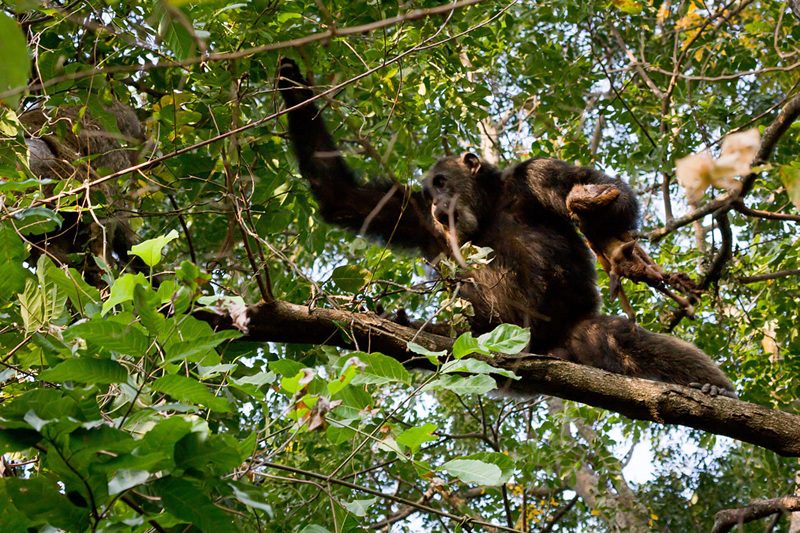
Hidden along the eastern shores of Lake Tanganyika in western Tanzania lies Gombe Stream National Park, one of Africa’s most iconic and scientifically important wildlife destinations. Though it is Tanzania’s smallest national park, Gombe Stream holds global significance for its remarkable chimpanzee populations, breathtaking landscapes, and groundbreaking research history. As one of the unique tourist attractions offered by Way 2 Africa Expeditions, a visit to Gombe Stream National Park promises an unforgettable blend of wildlife exploration, education, and natural beauty.
A Park of Global Scientific Importance
Gombe Stream National Park is world-renowned as the site of Dr. Jane Goodall’s pioneering chimpanzee research, which began in 1960. Her long-term studies transformed global understanding of primate behavior, revealing complex social structures, tool use, and emotional bonds among chimpanzees. Visitors to the park gain valuable insight into the importance of wildlife research, conservation, and the protection of endangered species, making Gombe not only a safari destination but also a living classroom of natural history.
Unique Landscape and Ecosystem
Unlike Tanzania’s vast savannah parks, Gombe Stream is characterized by steep forested valleys, lush riverine forests, and clear freshwater streams that flow into Lake Tanganyika. The park’s dramatic terrain creates a unique ecosystem that supports a wide variety of plant and animal life. Dense tropical vegetation, waterfalls, and panoramic lake views make Gombe one of the most scenic and peaceful parks in Tanzania, ideal for travelers seeking a more intimate and immersive nature experience.
Chimpanzee Trekking Experience
The highlight of any visit to Gombe Stream National Park is chimpanzee trekking. Guided by experienced trackers and rangers, visitors hike through the forest in search of habituated chimpanzee families. Observing chimpanzees in their natural habitat, watching them feed, groom, communicate, and interact, is a rare and powerful experience. Way 2 Africa Expeditions ensures that trekking is conducted responsibly, following strict guidelines to protect both visitors and wildlife while maximizing educational value.
Other Wildlife and Biodiversity
In addition to chimpanzees, Gombe Stream National Park is home to other primates such as olive baboons, red colobus monkeys, blue monkeys, and red-tailed monkeys. The park also hosts a variety of bird species, butterflies, and forest wildlife, making it a rewarding destination for birdwatchers and nature enthusiasts. Lake Tanganyika adds another dimension to the park’s biodiversity, supporting freshwater fish species and offering opportunities for swimming and relaxation along its shores.
Cultural and Conservation Education
Visiting Gombe Stream with Way 2 Africa Expeditions offers deep educational insight into conservation challenges and community involvement. Guests learn about the Gombe Stream Research Center, ongoing conservation projects, and the role of local communities in protecting chimpanzee habitats. These educational elements help travelers understand the connection between conservation, sustainable tourism, and human livelihoods.
Activities at Gombe Stream National Park
A tour to Gombe Stream National Park may include:
These activities combine adventure, learning, and relaxation in one extraordinary destination.
Why Visit Gombe Stream National Park with Way 2 Africa Expeditions?
At Way 2 Africa Expeditions, we specialize in crafting meaningful and educational wildlife experiences. Our tours to Gombe Stream National Park are carefully planned to ensure safety, comfort, and deep engagement with nature. Our knowledgeable guides provide expert interpretation of primate behavior, ecology, and conservation, allowing visitors to gain a deeper appreciation of this unique park. From logistics and permits to guided treks and accommodation arrangements, we manage every detail of your journey.
Gombe Stream National Park is a destination like no other, intimate, educational, and deeply inspiring. From trekking through lush forests to observing chimpanzees in the wild and learning about one of the most important wildlife research sites on Earth, the park offers a truly transformative experience. By choosing Way 2 Africa Expeditions, travelers are guaranteed a professionally guided, responsible, and unforgettable visit to one of Tanzania’s most remarkable natural treasures. Explore Gombe Stream National Park and connect with nature, science, and conservation in a truly meaningful way.


Tel: +255 784 241 648 | info@way2africaexpeditions.com