Tel: +255 784 241 648

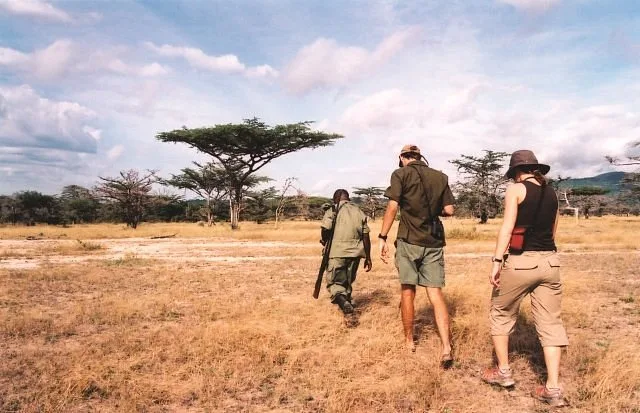
Tanzania is world-famous for its vast savannahs, incredible wildlife, and iconic national parks, making it a top destination for safari adventures. While traditional game drives are popular, walking safaris offer a unique and immersive way to experience the African wilderness. Unlike vehicle safaris, walking safaris allow travelers to engage with the land, wildlife, and ecosystem on a more intimate level, connecting deeply with nature. At Way 2 Africa Expeditions, our walking safaris are designed to be educational, safe, and unforgettable, providing travelers with an authentic Tanzanian safari experience.
What is a Walking Safari?
A walking safari is a guided trek through Tanzania’s national parks and wildlife areas on foot, accompanied by experienced professional guides and armed rangers. These safaris focus on exploring smaller details of the environment, footprints, animal tracks, insects, plants, and the subtle sounds of the wilderness, that often go unnoticed on vehicle safaris. Walking safaris are ideal for travelers who want a hands-on, educational experience, combining adventure with learning about Tanzania’s diverse ecosystems.
Why Choose a Walking Safari?
Walking safaris offer several unique advantages compared to traditional safaris:
Where to Enjoy Walking Safaris in Tanzania
Tanzania is home to some of the best walking safari destinations in Africa. Popular areas include:
Activities During a Walking Safari
A walking safari with Way 2 Africa Expeditions is more than just walking, it’s an immersive experience that combines education, observation, and adventure. Key activities include:
Safety and Preparation
Walking safaris are conducted with strict safety measures. Experienced guides carry communication equipment and firearms for protection against potential wildlife threats, ensuring a safe experience while remaining as unobtrusive as possible. To prepare for a walking safari, visitors should:
Why Choose Way 2 Africa Expeditions?
At Way 2 Africa Expeditions, our walking safaris are carefully designed for both safety and education. Our guides are highly trained in wildlife behavior, ecology, and conservation, ensuring every guest gains an in-depth understanding of the environment. We organize transport, park permits, and equipment, so travelers can focus entirely on exploring, learning, and enjoying the natural world.
A walking safari in Tanzania is a truly immersive and unforgettable adventure. From tracking wildlife to exploring unique ecosystems and learning about conservation, walking safaris offer a perspective that vehicles cannot provide. With Way 2 Africa Expeditions, you experience the African wilderness up close, gaining both adventure and knowledge in one extraordinary journey. Step into Tanzania’s natural world, engage all your senses, and create memories that will last a lifetime on a walking safari.


Tel: +255 784 241 648 | info@way2africaexpeditions.com