Tel: +255 784 241 648

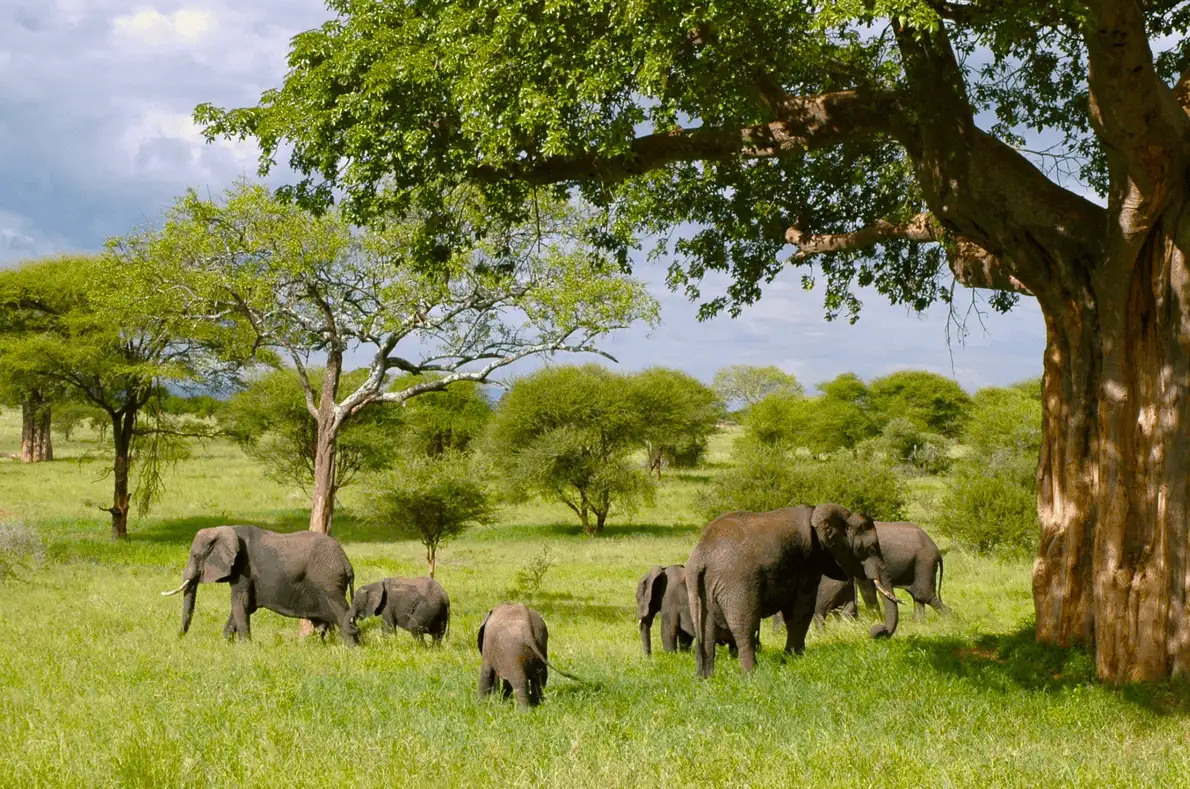
Located in northern Tanzania, Tarangire National Park is renowned for its large elephant herds, iconic baobab trees, and exceptional wildlife diversity. Covering over 2,600 square kilometers, Tarangire offers a unique safari experience that blends dense riverine forests, rolling savannahs, and seasonal floodplains. As one of the premier tourist attractions offered by Way 2 Africa Expeditions, Tarangire provides visitors with intimate encounters with wildlife in a less-crowded setting, making it an ideal introduction to Tanzania’s northern safari circuit.
Location and Landscape
Tarangire National Park lies approximately 120 kilometers from Arusha, making it highly accessible for day trips or multi-day safaris. The park is defined by the Tarangire River, which provides a vital water source during the dry season, attracting abundant wildlife. Its landscape is dotted with majestic baobab trees, acacia woodlands, and grassy plains, offering photogenic vistas and a classic African safari atmosphere. Seasonal swamps and floodplains further enhance the park’s ecological diversity.
Wildlife Diversity
Tarangire is celebrated for its high concentration of elephants, with herds numbering in the hundreds during the dry season. The park also hosts a wide variety of wildlife, including:
This rich biodiversity makes Tarangire an ideal destination for travelers seeking both predator sightings and large herbivore interactions.
Birdlife
Tarangire National Park is also a birdwatcher’s paradise, with over 550 recorded bird species. Visitors can spot raptors like African fish eagles and martial eagles, colorful hornbills, kingfishers along the river, and seasonal migratory species. The diversity of habitats, from riverine forests to open plains, ensures year-round birding opportunities.
Safari Experiences with Way 2 Africa Expeditions
Way 2 Africa Expeditions offers a range of activities in Tarangire National Park:
The park’s combination of open landscapes and riverine forests provides excellent wildlife viewing, particularly during the dry season, when animals congregate around water sources.
Conservation Significance
Tarangire National Park is part of a larger wildlife corridor that connects northern Tanzania’s ecosystems, including Lake Manyara and the Serengeti. The park plays a vital role in elephant conservation, supporting one of the country’s largest elephant populations. Responsible tourism by Way 2 Africa Expeditions helps fund conservation initiatives and supports the livelihoods of local communities living around the park.
Best Time to Visit Tarangire
The dry season from June to October is the best time for wildlife viewing, as animals gather near the Tarangire River and other permanent water sources. The wet season (November to May) transforms the park into a lush green landscape with abundant birdlife, though some areas may be less accessible due to flooding.
Why Visit Tarangire National Park with Way 2 Africa Expeditions?
With Way 2 Africa Expeditions, travelers enjoy expertly guided safari experiences that combine wildlife adventure, ecological education, and cultural insights. Our guides provide in-depth knowledge of animal behavior, habitats, and conservation efforts, ensuring every visit is both educational and memorable. From organizing logistics and accommodations to tailoring safari itineraries, we handle every detail for a seamless and enriching experience.
Tarangire National Park offers a distinctive safari experience defined by majestic elephants, ancient baobabs, and abundant wildlife in a scenic and less-crowded setting. From predator-prey interactions along the Tarangire River to vibrant birdlife and photogenic landscapes, the park provides a classic and unforgettable African safari. With Way 2 Africa Expeditions, visitors can explore this remarkable destination responsibly, creating lasting memories in one of Tanzania’s most iconic wildlife havens.


Tel: +255 784 241 648 | info@way2africaexpeditions.com