Tel: +255 784 241 648

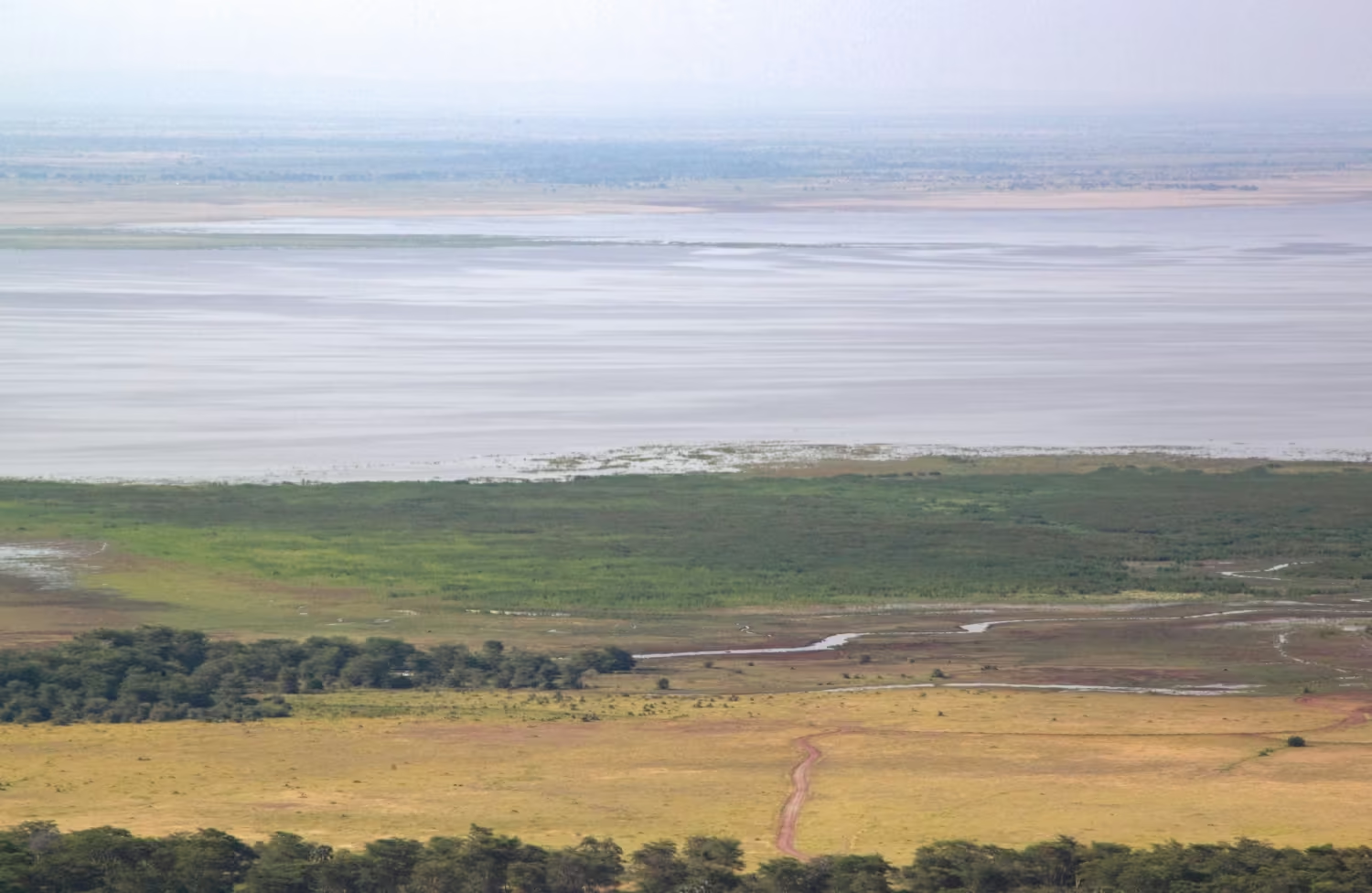
Nestled at the base of the Great Rift Valley escarpment, Lake Manyara National Park is one of Tanzania’s most scenic and ecologically diverse wildlife destinations. Though compact in size, the park offers an exceptional concentration of habitats, wildlife, and birdlife, making it a must-visit attraction on the northern safari circuit. As one of the premier tourist attractions offered by Way 2 Africa Expeditions, Lake Manyara National Park provides travelers with an immersive safari experience that blends breathtaking landscapes, rich biodiversity, and unique wildlife encounters.
Geographic Location and Unique Landscape
Lake Manyara National Park is located in northern Tanzania between Arusha and the Ngorongoro Conservation Area. The park stretches from the dramatic Rift Valley escarpment down to the alkaline waters of Lake Manyara, which covers nearly two-thirds of the park’s total area during the wet season. This striking variation in elevation creates a mosaic of ecosystems within a relatively small area, offering visitors diverse scenery in a single game drive.
Diverse Ecosystems and Natural Habitats
One of Lake Manyara’s most remarkable features is its wide range of habitats. Visitors travel through lush groundwater forests, open grasslands, acacia woodlands, hot springs, marshes, and the lake shoreline itself. The groundwater forest, fed by underground springs from the escarpment, is home to towering fig and mahogany trees and provides refuge for many wildlife species during dry seasons.
Wildlife Highlights and Iconic Species
Lake Manyara National Park is famous for its tree-climbing lions, a rare behavior believed to help lions avoid insects or escape ground heat. The park is also known for large herds of African elephants, often seen moving gracefully through the forest and open plains. Other commonly sighted mammals include giraffes, zebras, wildebeest, buffaloes, hippos, baboons, and blue monkeys.
The park’s compact size and varied terrain allow for excellent wildlife viewing within a short time, making it ideal for both full-day safaris and half-day excursions.
Birdlife and Ornithological Importance
Lake Manyara National Park is a birdwatcher’s paradise, with over 400 recorded bird species. The alkaline lake attracts large flocks of greater and lesser flamingos, pelicans, storks, and cormorants, while the forests and woodlands host hornbills, kingfishers, bee-eaters, and birds of prey. Seasonal migrations ensure that birdlife remains abundant throughout the year, making the park a top destination for avian enthusiasts.
Activities and Safari Experiences
With Way 2 Africa Expeditions, visitors can enjoy a range of activities in Lake Manyara National Park. These include classic game drives, guided walking safaris, and cultural tours in nearby villages such as Mto wa Mbu, where travelers can interact with local communities and learn about traditional lifestyles. The park also features a canopy walkway, offering a unique treetop perspective of the forest ecosystem.
Conservation Significance
Lake Manyara National Park plays a critical role in protecting groundwater forests, wetland ecosystems, and migratory bird populations. The park also contributes to regional biodiversity conservation and sustainable tourism initiatives. Through responsible travel practices, Way 2 Africa Expeditions supports conservation efforts while promoting environmental awareness among visitors.
Best Time to Visit Lake Manyara National Park
The park can be visited year-round, but the dry season (June to October) is ideal for wildlife viewing, as animals gather near water sources. The wet season (November to May) transforms the park into a lush green landscape and offers exceptional birdwatching opportunities, particularly during the flamingo season.
Why Visit Lake Manyara National Park with Way 2 Africa Expeditions?
At Way 2 Africa Expeditions, we craft personalized safari experiences led by experienced local guides with deep knowledge of Tanzania’s wildlife and ecosystems. We ensure seamless logistics, comfortable transport, and educational interpretation, allowing travelers to fully appreciate the park’s beauty and ecological importance.
Lake Manyara National Park is a remarkable destination that offers far more than its size suggests. From tree-climbing lions and elephant herds to vibrant birdlife and dramatic Rift Valley scenery, the park delivers a rich and rewarding safari experience. By choosing Way 2 Africa Expeditions, travelers gain access to one of Tanzania’s most captivating national parks through a journey that combines adventure, education, and responsible tourism.


Tel: +255 784 241 648 | info@way2africaexpeditions.com