Tel: +255 784 241 648

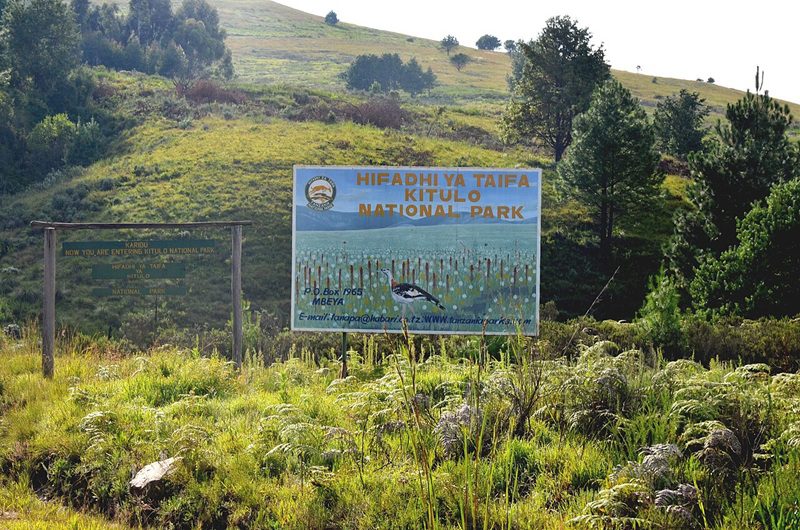
Tucked high in the southern highlands of Tanzania lies, Kitulo National Park, a destination unlike any other in East Africa. Often referred to as the “Serengeti of Flowers,” Kitulo is celebrated for its spectacular alpine meadows, rare plant species, and breathtaking mountain scenery. As one of the unique tourist attractions offered by
Way 2 Africa Expeditions, Kitulo National Park provides an enriching experience focused on nature, biodiversity, and conservation, making it a perfect destination for travelers seeking tranquility, education, and scenic beauty.
A Unique Highland Ecosystem
Kitulo National Park is located on a high-altitude plateau between the Kipengere, Poroto, and Livingstone mountain ranges, at elevations ranging from 2,600 to over 3,000 meters above sea level. Unlike Tanzania’s savannah and forest parks, Kitulo protects montane grasslands and alpine wetlands, ecosystems that are extremely rare in tropical Africa. These highland meadows support an extraordinary variety of plant life and play a vital role in water catchment systems that feed major rivers in the region.
A Global Center of Botanical Diversity
Kitulo National Park is internationally recognized for its exceptional floral diversity. The park is home to more than 350 species of vascular plants, including over 45 species of terrestrial orchids, many of which are found nowhere else in the world. During the rainy season, typically from November to April, the plateau bursts into color as wildflowers bloom across the landscape. This makes Kitulo a paradise for botanists, photographers, and nature lovers, offering a rare opportunity to observe endemic and endangered plant species in their natural habitat.
Wildlife and Birdlife
Although Kitulo is best known for its plant life, the park also supports a range of wildlife adapted to highland environments. Visitors may encounter animals such as eland, reedbuck, mountain grassland antelope, and smaller mammals, as well as a variety of reptiles and amphibians unique to the region. The park is also an important birdwatching destination, home to rare and localized species including Denham’s bustard, blue swallow, and various sunbirds. The open landscapes make wildlife viewing and bird observation especially rewarding.
Scenic Landscapes and Outdoor Experiences
Kitulo National Park offers stunning panoramic views, rolling grasslands, waterfalls, and distant mountain peaks. The park’s open terrain makes it ideal for guided walking safaris, nature hikes, and photography excursions. Visitors can explore the plateau on foot, learning about plant identification, ecological relationships, and conservation challenges directly from knowledgeable guides. The cool climate and peaceful surroundings make Kitulo an excellent destination for travelers seeking a slower, more reflective safari experience.
Conservation and Environmental Importance
Kitulo National Park was established primarily to protect its fragile ecosystems from overgrazing and agricultural expansion. The park plays a crucial role in conserving endemic plant species, safeguarding water sources, and maintaining ecological balance in the southern highlands. Through guided tours with Way 2 Africa Expeditions, visitors gain insight into the importance of habitat protection, climate sensitivity in alpine ecosystems, and ongoing conservation efforts involving local communities.
Best Time to Visit
The best time to visit Kitulo National Park is during the rainy season (November to April), when wildflowers are in full bloom. This period offers the most vibrant landscapes and botanical displays. The dry season provides clearer skies and excellent hiking conditions, though floral displays are less prominent.
Why Visit Kitulo National Park with Way 2 Africa Expeditions?
At Way 2 Africa Expeditions, we specialize in crafting educational and nature-focused journeys to Tanzania’s most unique destinations. Our expert guides bring deep knowledge of botany, ecology, and conservation, ensuring that each visit to Kitulo is both informative and inspiring. We handle all logistics, including transport, park access, and guided activities, allowing you to fully immerse yourself in the beauty and significance of this extraordinary park.
Kitulo National Park is a hidden gem that showcases a different side of Tanzania, one defined by delicate wildflowers, cool mountain air, and expansive highland landscapes. From its rare orchids and endemic plants to its scenic walking trails and conservation importance, Kitulo offers a truly unique and educational travel experience. By choosing Way 2 Africa Expeditions, travelers gain access to one of Tanzania’s most remarkable natural treasures, enjoying a journey that celebrates biodiversity, tranquility, and a deep connection to nature.


Tel: +255 784 241 648 | info@way2africaexpeditions.com