Tel: +255 784 241 648

Nestled in the heart of southern Tanzania, Ruaha National Park is one of the country’s largest and most diverse wildlife destinations. Covering over 20,000 square kilometers, Ruaha is a true haven for safari enthusiasts seeking raw, untouched landscapes, abundant wildlife, and authentic African wilderness experiences. As one of the premier tourist attractions offered by Way 2 Africa Expeditions, Ruaha offers travelers the chance to explore a lesser-known gem of Tanzania that rivals more famous parks in beauty and wildlife diversity.
Location and Geographic Significance
Ruaha National Park is located in central-southern Tanzania, approximately 130 kilometers west of the town of Iringa. Its vast landscape encompasses rolling savannah plains, dense miombo woodlands, rocky outcrops, river valleys, and seasonal floodplains. The Great Ruaha River, which flows through the park, provides a lifeline for wildlife and creates lush habitats that attract large concentrations of animals, especially during the dry season. The park’s remote location ensures fewer tourists, offering visitors an intimate and authentic safari experience.
Wildlife Diversity and Key Species
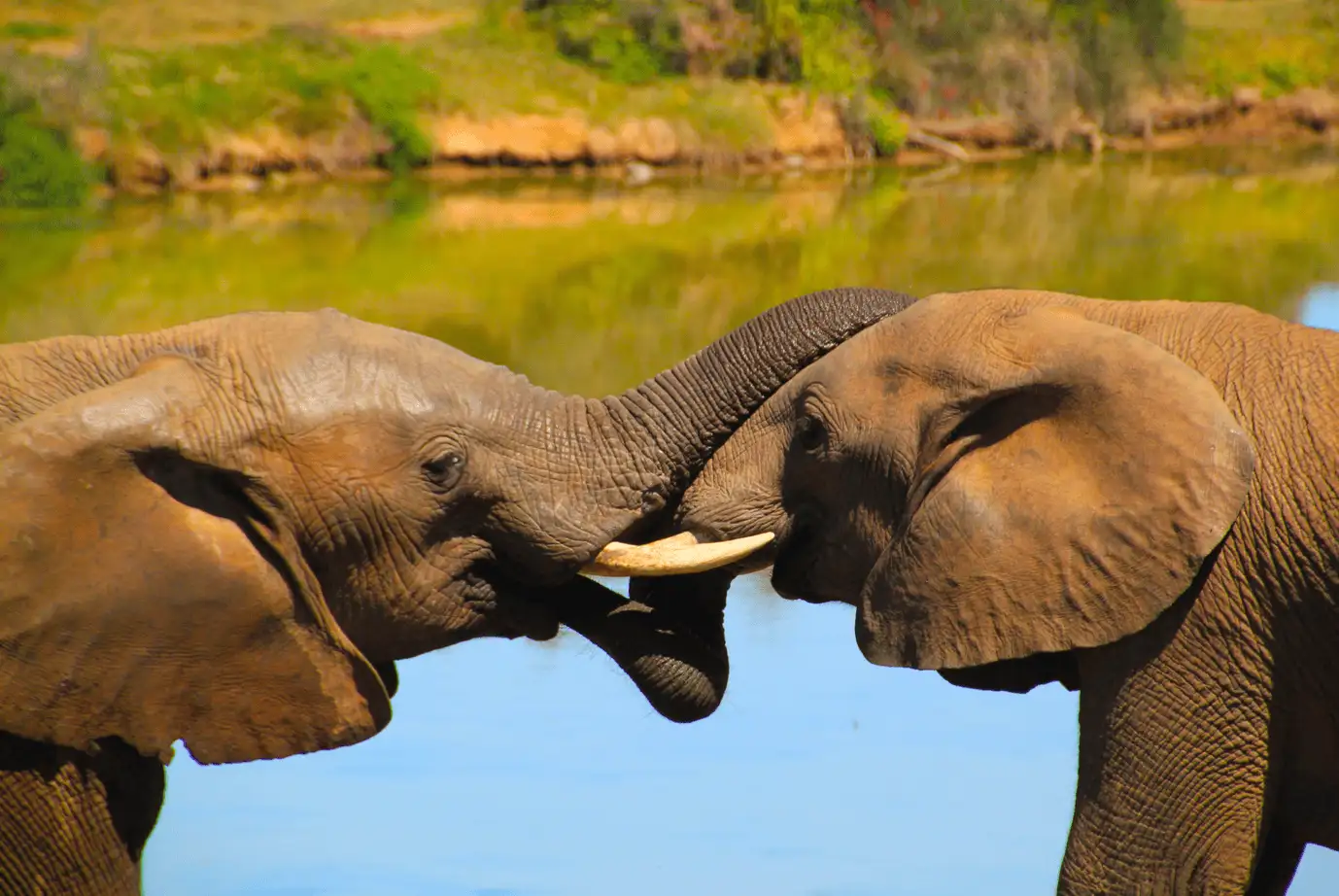
Ruaha National Park is renowned for its remarkable wildlife diversity. It is home to approximately 10,000 elephants, one of the largest populations in East Africa. The park also supports lions, leopards, cheetahs, African wild dogs, and hyenas, as well as large herds of buffalo, giraffes, zebras, impalas, and sable antelopes. The park’s predator-prey interactions, particularly around water sources during the dry season, offer exceptional game-viewing opportunities.
Birdlife is equally impressive, with over 500 recorded species, including raptors like eagles, vultures, and secretary birds, as well as colorful species like hornbills, starlings, and bee-eaters. Ruaha’s diversity of habitats, from open savannah to riverine forests, supports this rich avian ecosystem.
Scenic Landscapes and Photography Opportunities
Ruaha’s landscapes are dramatic and photogenic. Rolling plains dotted with acacia trees, rocky kopjes, riverine forests, and deep gorges create striking contrasts and endless photographic opportunities. Sunrise and sunset over the savannah plains provide breathtaking light for wildlife photography, while riverbanks offer close encounters with elephants, hippos, and crocodiles.
Safari Activities and Experiences
With Way 2 Africa Expeditions, travelers can experience Ruaha through:
The park’s low visitor density ensures a more private and exclusive safari experience compared to more crowded northern parks.
Conservation Importance
Ruaha National Park is part of the Ruaha-Rungwa ecosystem, one of the largest wilderness areas in East Africa. The park plays a critical role in protecting endangered species like African wild dogs and maintaining ecological corridors for migratory wildlife. Way 2 Africa Expeditions supports responsible tourism, promoting conservation and community engagement, ensuring that visits contribute to the preservation of the park’s unique ecosystems.
Best Time to Visit Ruaha National Park
The dry season (June to October) is the best time to visit Ruaha, as animals gather near rivers, making wildlife spotting easier. The wet season (November to May) transforms the park into a lush green paradise, with fewer tourists, but wildlife can be more dispersed, making game-viewing slightly more challenging.
Why Visit Ruaha National Park with Way 2 Africa Expeditions?
At Way 2 Africa Expeditions, we provide tailor-made safari experiences that combine adventure, education, and comfort. Our guides are experts in wildlife tracking, ecological interpretation, and photography, ensuring that every visitor gains a deep understanding of the park’s ecosystem. From organizing logistics to arranging accommodations and game drives, we handle every detail to create an unforgettable Ruaha safari.
Ruaha National Park is a true testament to Tanzania’s wild heart. From massive elephant herds and rare predators to scenic landscapes and abundant birdlife, the park offers an authentic African safari far from the crowds. With Way 2 Africa Expeditions, travelers are invited to explore this magnificent wilderness through a journey that combines adventure, education, and responsible tourism, creating memories that last a lifetime.


Tel: +255 784 241 648 | info@way2africaexpeditions.com